PCCI CONVENES AGRICULTURE POLICY DIALOGUE ON SME GROWTH THROUGH LUZON ECONOMIC CORRIDOR
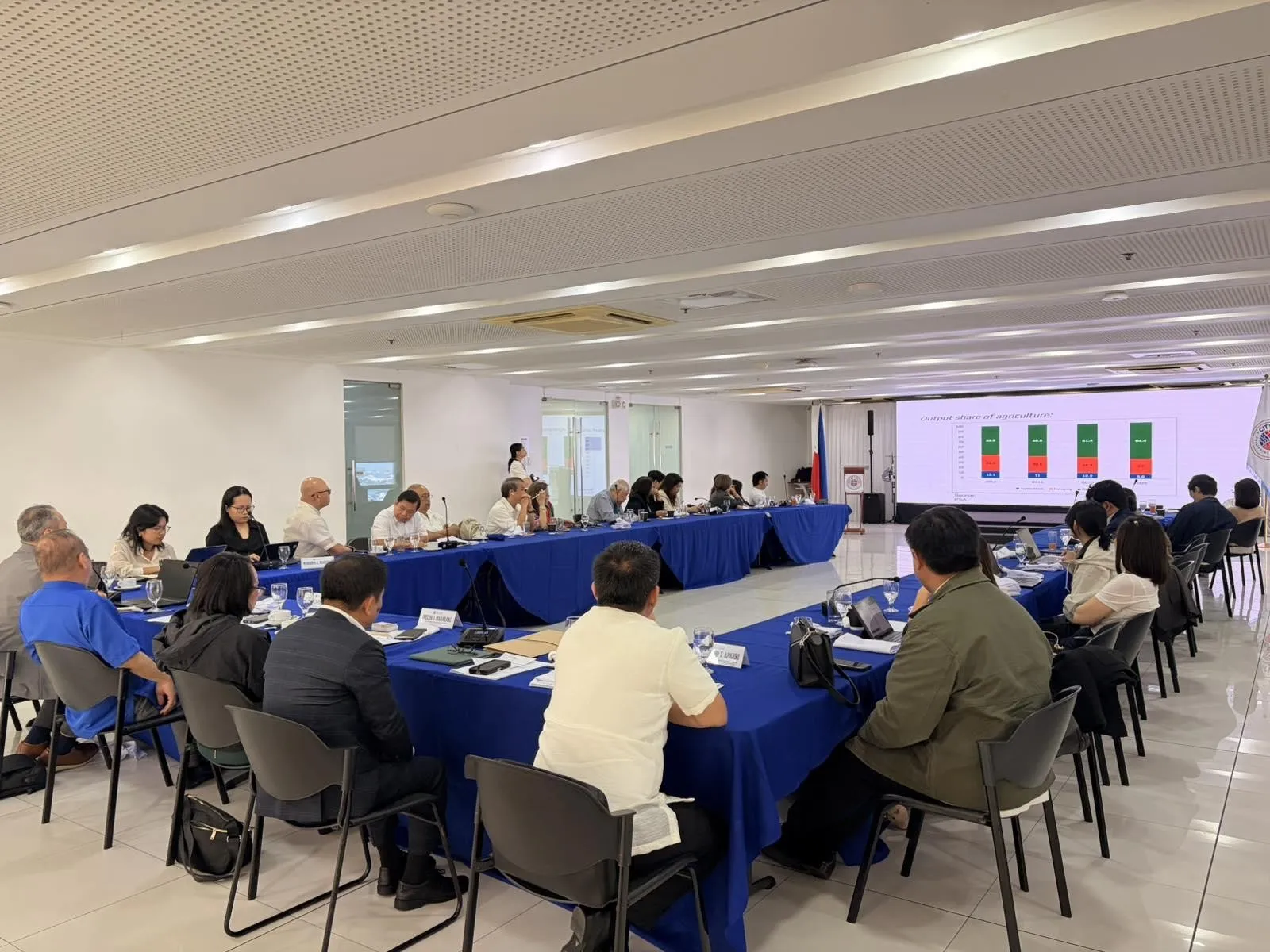
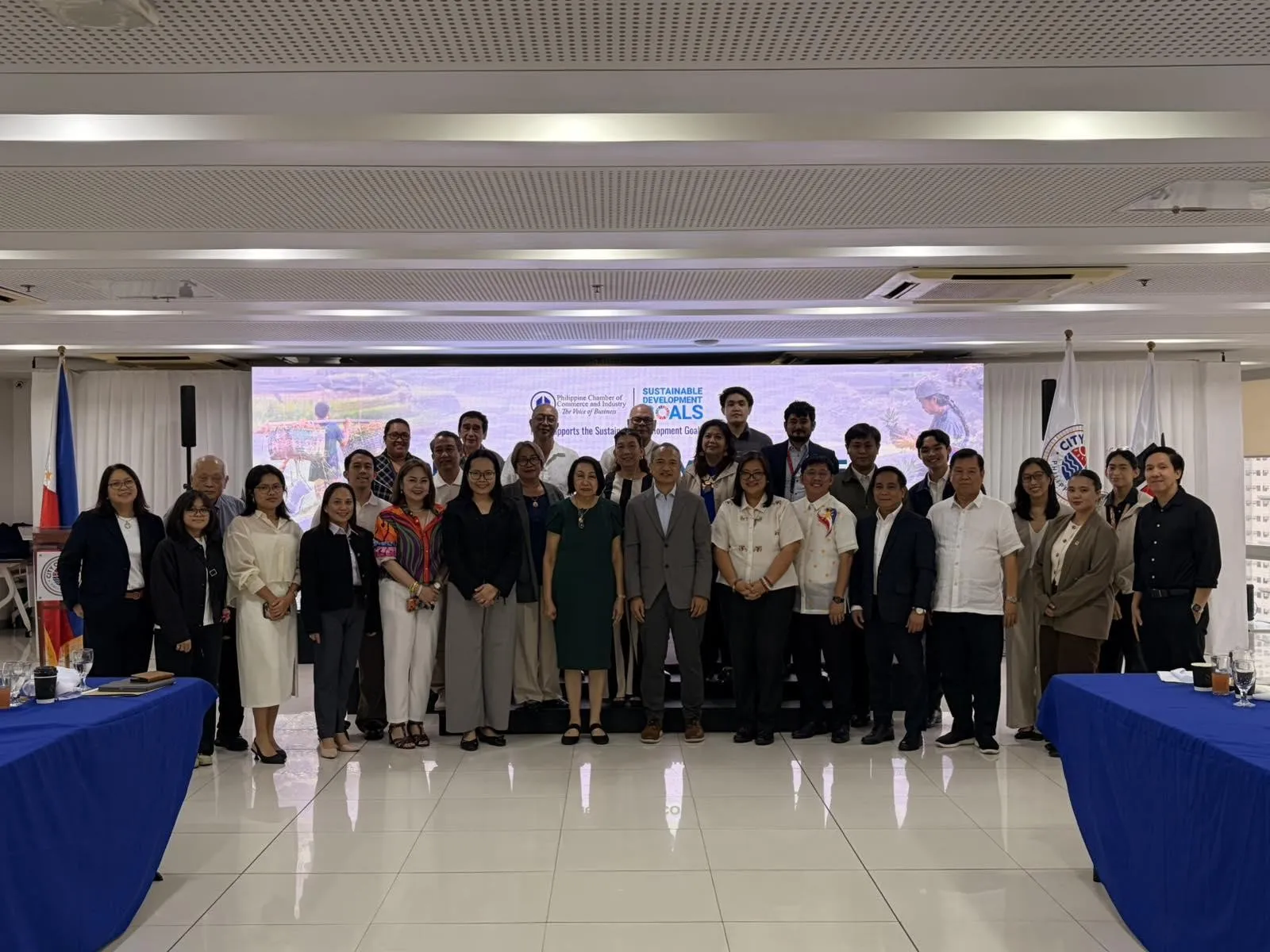
TAGUIG CITY – The Philippine Chamber of Commerce and Industry (PCCI), with support from the Center for International Private Enterprise (CIPE), convened an Agriculture Policy Dialogue on “Positioning Agricultural and Food-Processing SMEs for Growth through the Luzon Economic Corridor” on September 28, 2026 at SM Aura Corporate Tower in Bonifacio Global City.
The dialogue brought together representatives from government, the private sector, development institutions, and the agriculture and food-processing sectors to discuss strategies for strengthening the competitiveness of Philippine agricultural enterprises and integrating them into higher-value domestic and export supply chains
A key focus of the discussion was the transformative potential of the Luzon Economic Corridor, a major economic development initiative linking Subic, Clark, Metro Manila, and Batangas. Participants noted that investments in transport, logistics, energy, digital infrastructure, and industrial development could unlock new opportunities for agricultural producers and food processors by improving market access, reducing logistics costs, and strengthening connections to institutional buyers and export markets.
Stakeholders emphasized that growth in agriculture increasingly depends not only on farm production but also on value-adding activities such as processing, storage, packaging, logistics, and distribution. Discussions highlighted the need for improved cold-chain facilities, food hubs, warehousing, and transport connectivity to address post-harvest losses and enhance the quality and reliability of agricultural products.
Participants likewise underscored the importance of helping SMEs become “corridor-ready.” Recommendations included supporting enterprise aggregation, strengthening farmer cooperatives and associations, expanding certification and traceability programs, and helping SMEs meet the volume and quality requirements of larger buyers and investors.
The dialogue also identified persistent challenges facing agri-food enterprises, including fragmented production, limited access to financing, high logistics costs, regulatory complexity, and compliance burdens. Industry representatives called for greater regulatory convergence among agencies, streamlined permitting processes, broader digitalization of government services, and stronger consultation mechanisms before new regulations are introduced.
Government agencies responded by outlining ongoing reforms and support programs. The Anti-Red Tape Authority (ARTA) reported efforts to simplify business processes and improve regulatory transparency, while the Department of Trade and Industry (DTI) highlighted initiatives on enterprise development, financing, productivity enhancement, and market access. The Department of Agriculture (DA) presented plans for the Clark Food Hub and a nationwide network of cold-chain facilities designed to strengthen logistics and create new opportunities for farmers, cooperatives, and agribusiness enterprises.
Insights from the dialogue informed PCCI’s policy brief,“Unlocking SME Growth in Philippine Agriculture through Economic Corridors: Connecting Agricultural and Food Processing Enterprises to Higher Value Chains.” The brief advocates for an SME-inclusive corridor strategy anchored on five priority areas: enterprise readiness, accessible logistics and infrastructure, streamlined regulations, expanded access to finance and technology, and stronger supplier-development pathways linking enterprises to domestic and international markets.
Through continued public-private dialogue and collaboration among stakeholders, PCCI seeks to ensure that the benefits of corridor development extend beyond major infrastructure investments and translate into increased competitiveness, stronger food security, and greater participation of Philippine agricultural SMEs in high-value markets.